Top 5 Mistakes Manufacturers Make When Choosing Interlining Materials
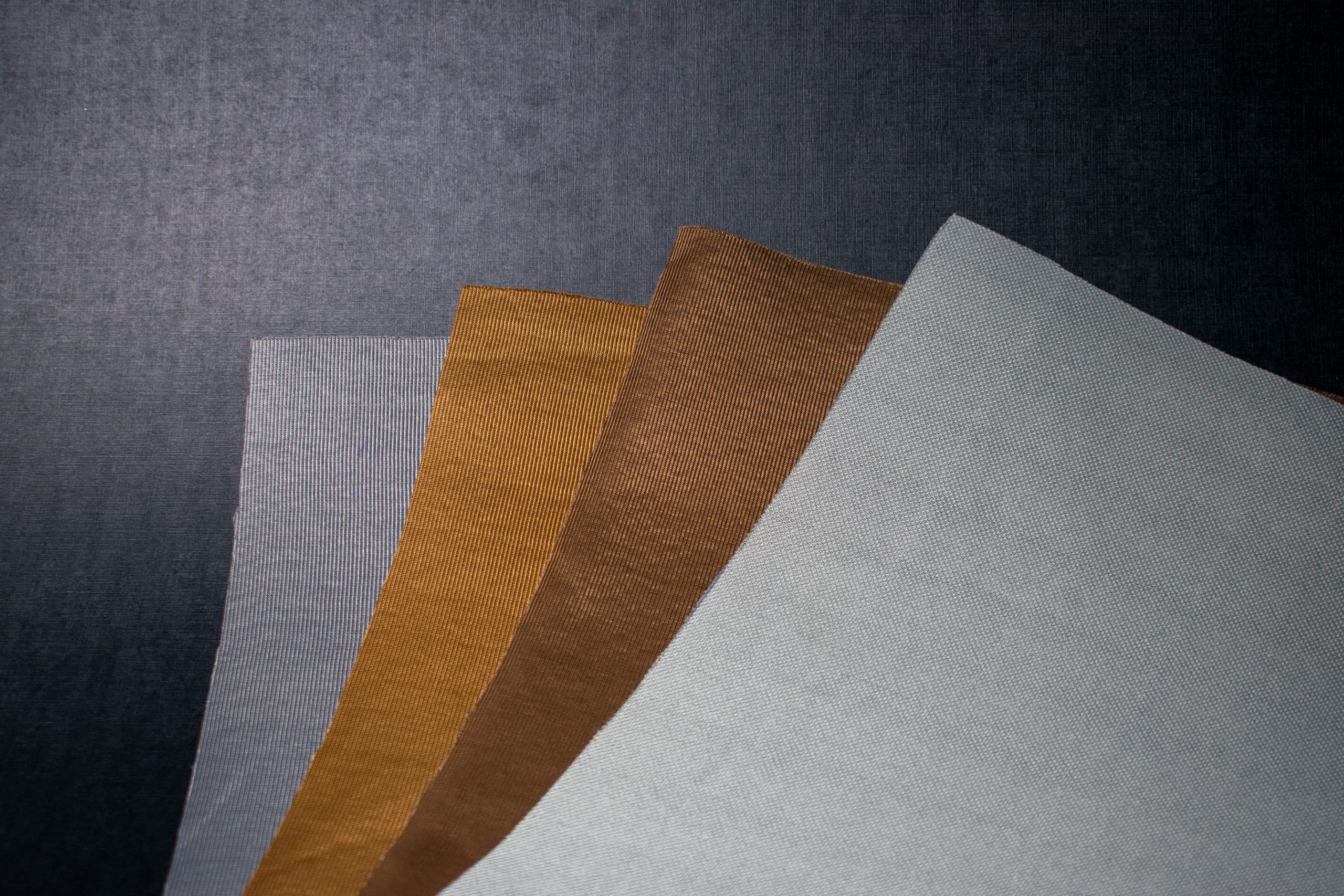
In the footwear and garment manufacturing industries, the right interlining can make or break product quality. Interlining materials are essential for providing shape, support, and durability to finished products. However, many manufacturers face challenges during interlining material selection, leading to costly errors, production delays, and compromised product performance.
This article highlights the top five mistakes manufacturers often make when choosing interlining materials. By understanding these pitfalls, factory managers and procurement teams can make more informed decisions, improve product quality, and optimize manufacturing efficiency.
Mistake 1: Overlooking the end-use requirements
One of the biggest errors in interlining material selection is failing to align the choice with the product’s specific end-use needs. Different products require interlinings with varied properties, such as flexibility, strength, or heat resistance. Ignoring these requirements can result in unsuitable materials that negatively impact performance and user experience.
For instance, interlinings used in heavy-duty work boots need high durability and stiffness to support foot structure, whereas casual shoes benefit from softer, more flexible interlinings that enhance comfort. Similarly, fashion garments may prioritize lightweight, breathable interlinings to maintain garment drape and feel.
Manufacturers must conduct a thorough analysis of the product’s intended use, environmental conditions, and performance expectations before selecting interlining materials. This ensures the chosen interlining supports the product’s function and durability without unnecessary compromises.
Mistake 2: Neglecting compatibility with fabrics and adhesives
Another common mistake is ignoring the compatibility between interlining materials, outer fabrics, and adhesives used in production. An interlining that bonds poorly or reacts adversely with the fabric or adhesive can cause de-lamination, puckering, or weak bonding, leading to product defects.
For example, a heat-sealable interlining must be compatible with the pressing temperature and adhesive type used. Selecting an interlining with inadequate heat resistance or a mismatched adhesive layer can cause partial bonding or damage to the fabric.
Procurement teams should coordinate closely with technical experts to verify material compatibility through testing before large-scale adoption. Understanding the chemical and physical interactions between layers is critical for consistent, high-quality outcomes.
Mistake 3: Prioritizing cost over quality
While controlling costs is important, prioritizing price over quality in interlining material selection can backfire. Low-quality interlinings may initially seem cost-effective but often result in higher rejection rates, customer complaints, and warranty claims due to poor durability or appearance.
Manufacturers must consider the total cost of ownership, including the impact of rework, returns, and brand reputation. Investing in higher-quality interlining materials often leads to improved product longevity, customer satisfaction, and long-term savings.
A balanced approach evaluates cost alongside performance metrics and supplier reliability. Choosing trusted suppliers who deliver consistent quality reduces risks and supports smoother production.
Mistake 4: Ignoring regulatory and safety standards
Industrial, work-wear, and protective garments must comply with stringent regulatory and safety standards. Overlooking these requirements during interlining material selection can result in non-compliant products that pose safety risks and legal consequences.
For example, interlinings used in flame-resistant clothing must meet specific flame retardancy standards. Similarly, PPE garments may require chemical resistance or antimicrobial properties.
Manufacturers should ensure interlining materials comply with relevant standards like ISO, EN, or ASTM, and work with suppliers who provide certification and testing documentation. This approach guarantees product safety and market acceptance.
Mistake 5: Failing to test interlining materials in real production conditions
Finally, a critical mistake is relying solely on supplier specifications or lab tests without validating interlining materials under actual production conditions. Differences in pressing equipment, fabric batches, and assembly techniques can affect bonding quality and product performance.
Without real-world testing, manufacturers risk introducing materials that cause defects or production delays when scaled.
A robust testing protocol involves pilot runs, quality inspections, and feedback loops with production teams. This hands-on evaluation identifies issues early, allowing material adjustments or supplier changes before full-scale implementation.
Conclusion
Choosing the right interlining material is a strategic decision that affects product quality, manufacturing efficiency, and brand reputation. By avoiding these top five mistakes—overlooking end-use needs, neglecting compatibility, prioritizing cost over quality, ignoring standards, and skipping real-world testing—factory managers and procurement teams can optimize their interlining material selection process.
Partnering with experienced suppliers like Bond & Built ensures access to quality materials, technical support, and reliable performance tailored to your manufacturing needs.
Contact Bond & Built today to improve your interlining sourcing and elevate your product quality.
Recent Posts
Complete guide to interlinings and reinforcement materials in footwear and apparel
Sustainable innovation in footwear: introducing eco-friendly reinforcement materials